
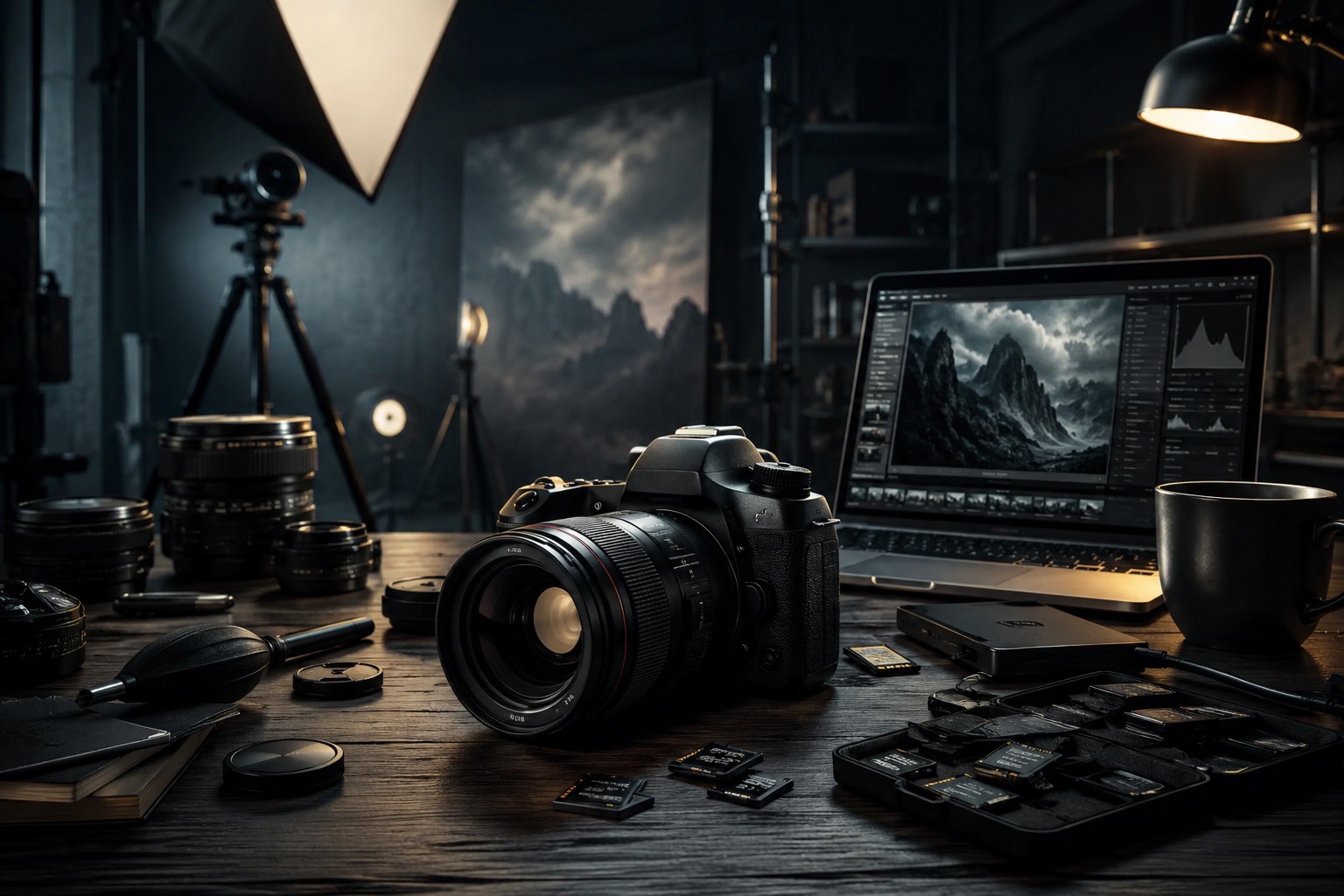
Photography often looks effortless once the final image is delivered. But the image is only the visible part of the work. Behind the lens is a long chain of decisions that shape the result before the shutter is ever pressed. The quality of a shoot is often decided in the hour before the shoot begins.
Preparation reduces pressure
Good preparation does not remove every problem, but it reduces avoidable ones. Batteries, cards, backup gear, timing, lens selection, references, and lighting plans may feel routine, but they protect the creative mind from unnecessary stress. When practical things are handled well, it becomes easier to focus on composition, direction, and emotion.
Preparation is not the opposite of creativity. It is often what makes creativity possible under pressure.
Ritual helps consistency
Every experienced creative develops small rituals. Some people review their shot list quietly. Some walk the space before the client arrives. Some check exposure twice, breathe deeply, and settle their mind. These habits matter because they create consistency. They help the work become repeatable rather than random.
Photography is part seeing, part listening
Great images are not made by equipment alone. They come from paying attention. You have to notice light, mood, posture, emotion, and context. You also have to listen — to the subject, to the brief, and to what the environment is offering in the moment. That is often the difference between a technically correct image and a memorable one.
Professional work is quiet discipline
Most of the job is not dramatic. It is calm professionalism. It is showing up prepared, staying observant, adjusting quickly, and protecting the trust of the people you are working with. That discipline is what allows the creative instincts to do their best work.
Behind the lens, the work is not only about taking pictures. It is about creating the conditions for strong pictures to happen consistently.